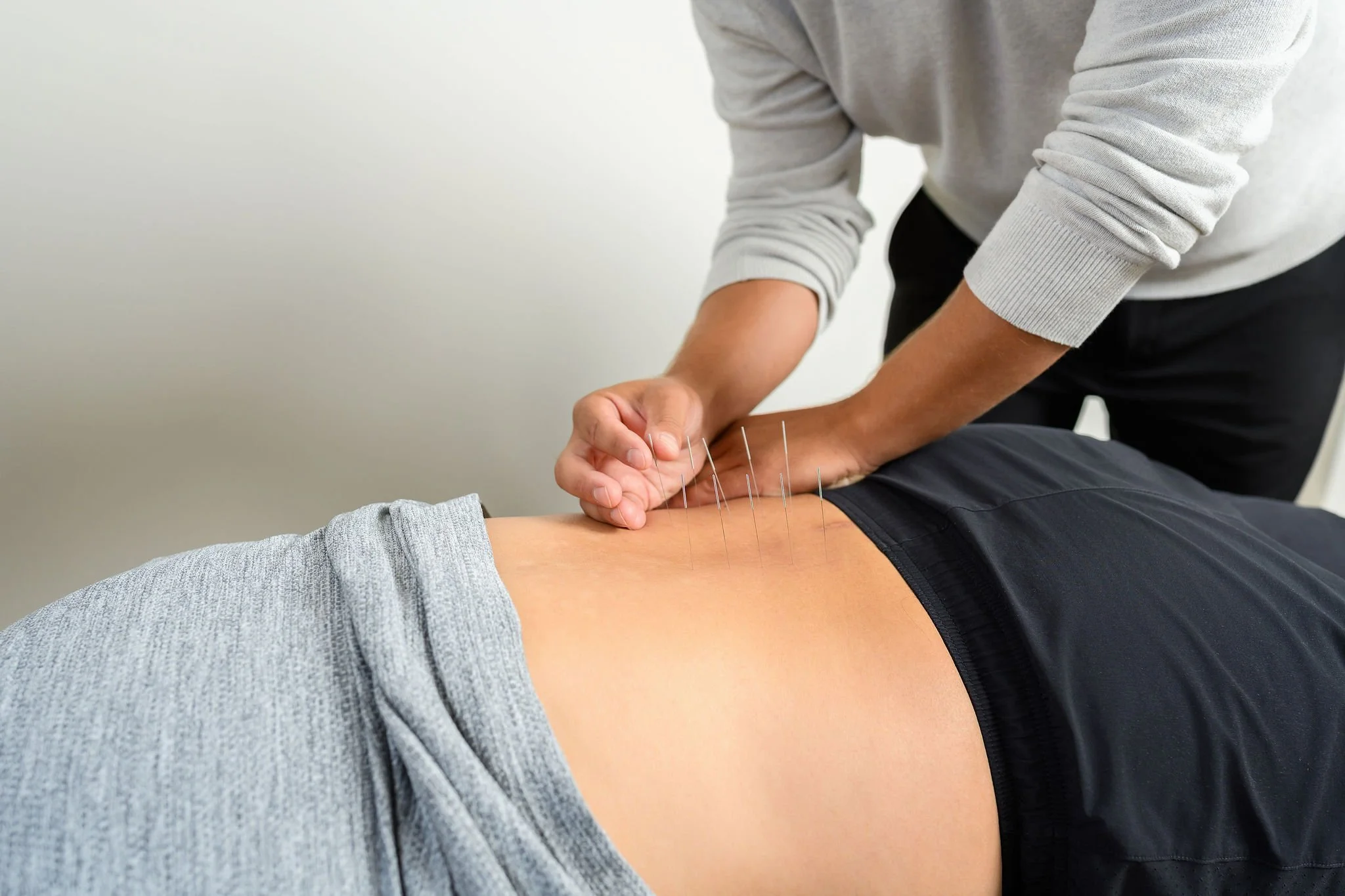
Functional Medical Acupuncture in Toronto’s Annex
Reviewed by Dr. Brian Wright, DC, Chiropractor · Updated October 2026
Functional medical acupuncture can help reduce pain, ease muscle tension, and support more comfortable movement as part of a physiotherapy or chiropractic treatment plan. At Resilience Physiotherapy in Toronto’s Annex, we integrate this evidence-based approach into care for injuries, persistent pain, and movement limitations.
Our licensed chiropractor and registered physiotherapist hold advanced post-graduate certifications in anatomical and neurofunctional acupuncture. They use acupuncture alongside manual therapy, exercise, and other appropriate rehabilitation strategies to help you move with greater comfort and confidence.
Quick facts
Who provides acupuncture, and what does it cost?
Acupuncture is done within a session with Shannon Littlejohn Burnes, Registered Physiotherapist, or Dr. Brian Wright, Chiropractor. There’s no separate acupuncture fee: you pay the regular physiotherapy or chiropractic session price.
Is it covered by insurance?
Acupuncture is billed as part of your physiotherapy or chiropractic visit, so it’s claimed under that coverage. It can’t be billed on its own, and we don't bill insurers directly; we provide a receipt for you to submit.
Western Functional Medical Acupuncture vs. Traditional Chinese Medicine (TCM)
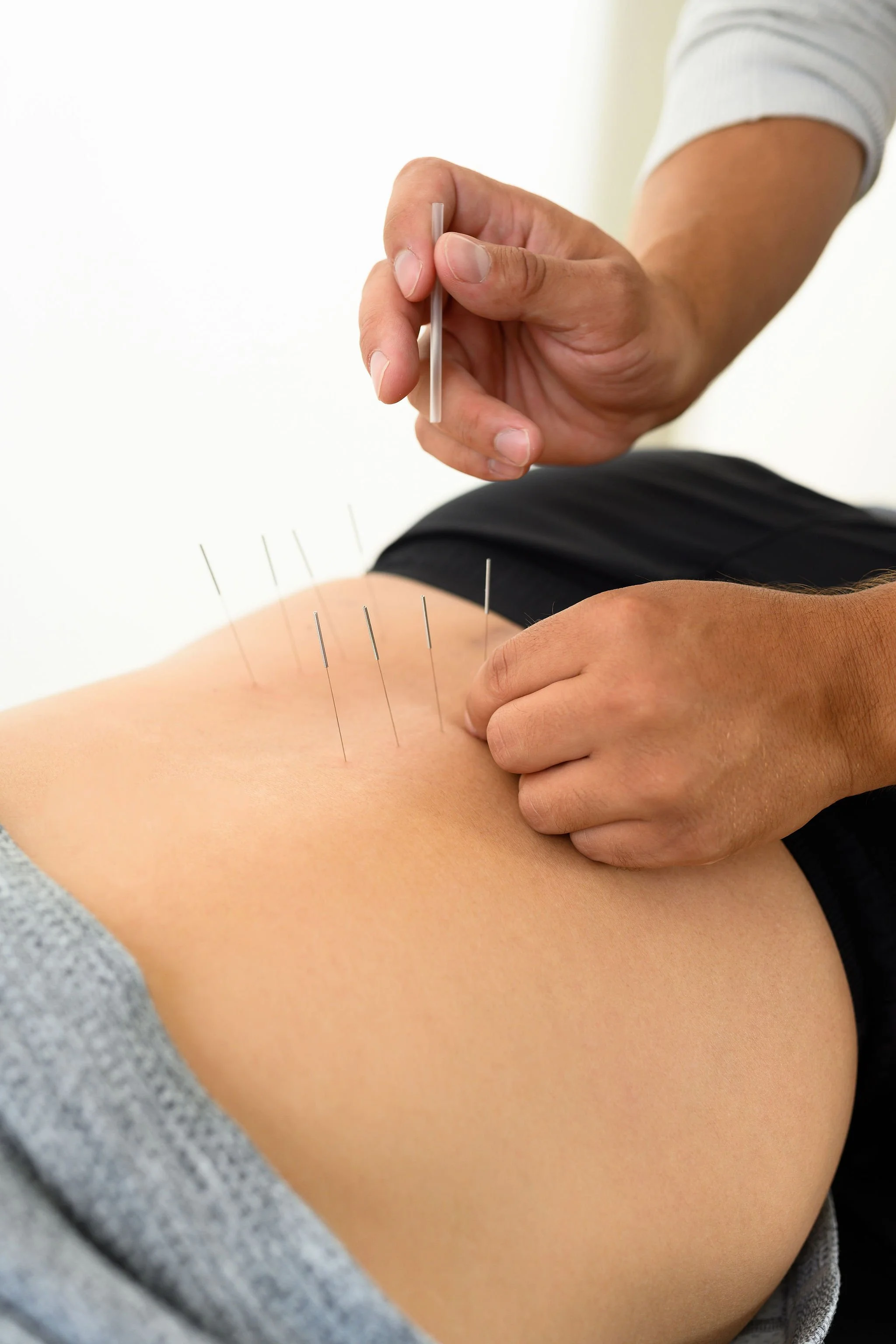
Functional medical acupuncture uses the same fine, sterile, single-use needles as traditional acupuncture, but the clinical approach differs.
Traditional Chinese Medicine (TCM): This classical system approaches pain and illness through the balance of energy, known as Qi, along specific meridians or pathways.
Western Functional Medical Acupuncture (Anatomical/Neurofunctional): This evidence-based approach is grounded in human anatomy, neurophysiology, and pathophysiology. Your clinician places needles at targeted anatomical sites, such as myofascial trigger points, motor points, muscle-tendon junctions, and areas near peripheral nerves.
By targeting these structures, acupuncture can influence local circulation, muscle activity, and how the nervous system processes pain signals.
How Functional Medical Acupuncture Works in the Body
1. Local Tissue Stimulation and Blood Flow
2. The Segmental Neurological Effect
3. Nervous System Regulation
Conditions We Frequently Treat With Functional Medical Acupuncture
What to Expect During Your Acupuncture Treatment
Your safety, comfort, and understanding of the treatment are priorities throughout the process. If your chiropractor or physiotherapist recommends acupuncture as part of your care plan, they will explain the approach, answer your questions, and obtain your informed consent before treatment begins.
During treatment, you will rest in a comfortable position while your therapist sanitizes the skin and inserts sterile, medical-grade needles. Acupuncture needles are extremely thin, and many people describe insertion as a brief pinch or barely noticeable sensation.
As a needle reaches the intended tissue depth, you may feel a dull ache, warmth, heaviness, or a brief muscle response. This sensation is often referred to as de qi. Needles are typically left in place for 15 to 25 minutes while you rest in a quiet treatment room.
Convenient Local Care Steps from Spadina TTC Station
Resilience Physiotherapy is located at 738 Spadina Ave, Suite 200, a short walk south of Spadina TTC Station, which serves both Line 1 and Line 2.
Our second-floor clinic is elevator-accessible and convenient for local residents, nearby professionals, University of Toronto students and faculty, and visitors from Yorkville or Little Italy. Located beside the Miles Nadal Jewish Community Centre, our clinic offers a professional setting for focused rehabilitation and recovery.
Take the First Step Toward Pain-Free Living
Frequently Asked Questions About Medical Acupuncture
-
Acupuncture is generally well tolerated. Unlike hollow hypodermic needles used for injections or blood draws, acupuncture needles are solid, ultra-thin, and filiform. You may feel a brief pinch during insertion, followed by a dull, heavy, or aching sensation. Many patients find treatment relaxing, and some fall asleep during their sessions.
-
When performed by a regulated, certified healthcare professional, functional medical acupuncture is a minimally invasive treatment. We use single-use, sterile needles. Temporary muscle soreness or mild bruising at the insertion site can occur and typically resolves within 24 to 48 hours.
-
Acupuncture is done within a physiotherapy or chiropractic session, so it's claimed under your physiotherapy or chiropractic benefits. It can't be billed on its own. Coverage depends on your individual policy, so check your plan.
We’d love to work with you