
IMS Dry Needling & Dry Needling Therapy at Resilience Physiotherapy

At Resilience Physiotherapy in the Toronto Annex, dry needling and IMS dry needling are delivered by experienced clinicians with advanced orthopaedic training and a strong focus on evidence-informed care. We use dry needling therapy to address muscle pain, trigger points, and movement limitations that do not resolve with stretching or massage alone. Many clients seek our care for recurring tightness, persistent neck or back pain, or sport-related muscle overload that continues to flare up despite their best efforts.
Every treatment begins with a detailed assessment of how you move, where tension is developing, and how your symptoms respond to activity. From there, we determine whether dry needling treatment is the right fit and integrate it into a personalized rehabilitation plan.
What Is Dry Needling Physiotherapy?
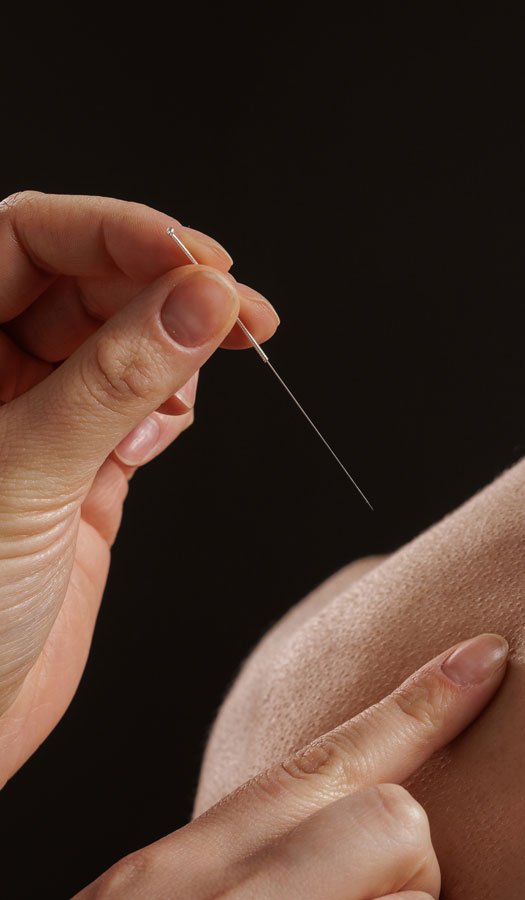
Dry needling therapy is a musculoskeletal treatment that uses a thin, sterile one time use acupuncture needle to target tight or irritated muscle tissue. The goal is to stimulate a twitch response in the muscle to help reduce tension and improve its contraction and relaxation.
Dry Needling
Dry needling focuses on muscles that are contributing to pain or restricted movement. When a muscle remains shortened or overactive, it can interfere with normal joint mechanics and make everyday tasks feel harder than they should.
By inserting the needle into the affected muscle, we aim to create a brief local response that helps the tissue reset. Once tension decreases, it becomes easier to retrain strength and coordination through guided exercise. This is where dry needling therapy supports meaningful functional improvement rather than temporary relief.
IMS Dry Needling
IMS dry needling, or intramuscular stimulation, is a specific approach used for persistent or nerve-related pain patterns. When a nerve becomes irritated, the muscles it supplies can tighten and remain hypersensitive.
IMS dry needling targets these patterns by selecting treatment sites based on how the nervous system influences muscle behaviour. It is commonly used for long-standing neck pain, chronic low back pain, and radiating symptoms into the arms or legs.
At Resilience Physiotherapy, IMS dry needling is integrated into your broader rehabilitation program to ensure changes in muscle tone are reinforced through movement.
Trigger Point Dry Needling
Trigger point dry needling targets localized knots within a muscle, often felt as tight bands that are tender to pressure. These points can refer pain to nearby areas and may reduce strength or endurance.
By inserting the needle directly into the trigger point, we aim to reduce local irritability and restore more normal muscle function. This technique is often helpful for tension headaches, shoulder blade pain, hip tightness, and other muscle-driven complaints.
Dry Needling Treatment Benefits for Reducing Pain
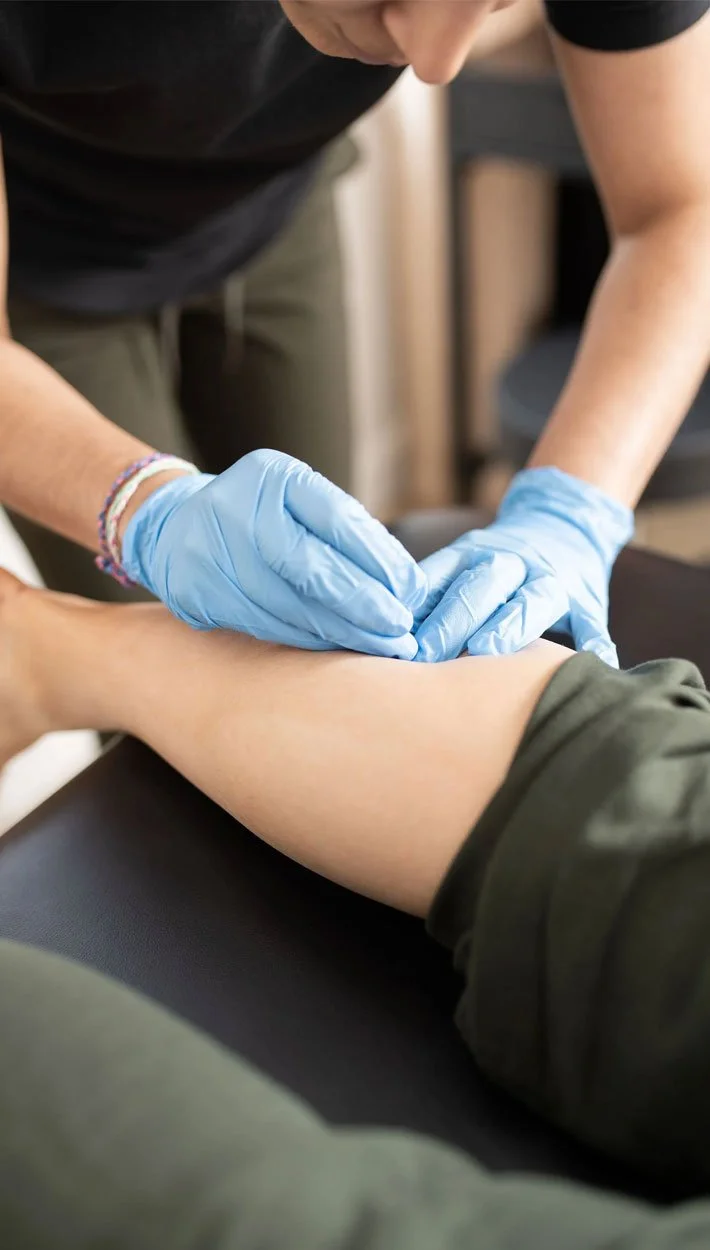
Dry needling benefits are most noticeable when muscle tension is limiting comfort or performance. Used appropriately, dry needling treatment can reduce pain intensity, improve mobility, and allow rehabilitation exercises to progress more effectively.
Pain Relief & Muscle Relaxation
One of the primary dry needling benefits is decreased muscle-related discomfort. When tight muscles ease, pressure within the area reduces and protective guarding settles. Many clients notice less stiffness when turning their head, sitting for longer periods, or lifting overhead.
People often feel relief shortly after treatment, though a combination of strengthening and mobility work reinforces the results.
Improved Movement & Function
As muscle tone normalizes, joints can move more freely. Dry needling treatment can help restore range of motion in areas such as the neck, shoulders, hips, and lower back, making it easier to perform daily activities and training movements.
With improved mobility, our physiotherapists can help shift focus toward rebuilding strength and control. This progression helps reduce strain on surrounding tissues and supports longer-term resilience.
Enhanced Recovery Support
Dry needling therapy is most effective when paired with manual therapy and structured exercise. For active individuals and athletes seeking dry needling in the Toronto Annex area, this integrated approach can help manage muscle overload and support recovery between training sessions.
By addressing tight tissue while continuing progressive loading, we help you return to activity with greater confidence and fewer setbacks.
Conditions Treated With Dry Needling Physiotherapy
Dry needling and IMS dry needling are often used to address a range of muscle-driven pain conditions.
Back & Neck Pain
Neck and back discomfort often involves areas of persistent tightness that restrict motion and contribute to recurring flare-ups. Dry needling therapy can reduce local muscle irritability and improve tolerance for sitting, driving, working at a computer, or returning to exercise.
For chronic low back pain or radiating leg symptoms, IMS dry needling may be incorporated as part of a comprehensive physiotherapy plan.
Shoulder, Hip & Knee Issues
Pain around major joints is frequently influenced by surrounding muscle imbalance. Trigger point dry needling can help release overactive muscles that alter joint mechanics.
When combined with targeted strengthening, this approach promotes more efficient, balanced movement and helps minimize strain during everyday tasks and athletic activity.
Sports & Overuse Injuries
Repetitive training loads can lead to stubborn muscle tightness that limits performance. Dry needling therapy can assist with managing overuse injuries and improving recovery timelines.
Integrated with sports physiotherapy and progressive loading programs, dry needling helps address muscle restrictions while keeping you moving forward in your training.
Difference Between IMS Dry Needling and Other Dry Needling Techniques
Understanding Dry Needling IMS
Trigger Point vs Therapeutic Dry Needling
How Clinicians Choose the Right Technique
What to Expect During Dry Needling Treatment
Knowing what to expect can make your first session feel more straightforward.
Before Treatment
Our physiotherapists begin with an assessment to better understand your symptoms, movement patterns, and goals. If dry needling treatment is appropriate, we explain the process, review any precautions, and obtain informed consent.
Appointments are one-on-one, and we ensure you are comfortable before proceeding.
During the Session
A thin, sterile one-time use acupuncture needle is inserted into the targeted muscle. You may feel a brief twitch or a deep ache that settles quickly. The number of areas treated depends on your condition and comfort level.
Sessions are typically incorporated into a full physiotherapy appointment, allowing time for exercise and manual therapy as needed.
Aftercare & Recovery Tips
Mild soreness can occur for 24 to 48 hours and often feels similar to post-workout muscle fatigue. Light movement, gentle stretching, and hydration are recommended. We advise that you refrain from high-intensity exercise while your muscles recover during that time.
We provide specific exercises to reinforce improvements and help translate muscle release into lasting functional gains.
How Should I Prepare for My Dry Needling Therapy?
What to Discuss
Preparing for Therapy Sessions
Setting Expectations
What To Look For When Choosing Dry Needling Treatment in Toronto
Expertise in Gunn IMS Dry Needling
Access to Dry Needling IMS Services
Personalized Dry Needling Treatments
Get Effective Dry Needling Treatment Today At Resilience Physiotherapy
At Resilience Physiotherapy, dry needling is used strategically within a comprehensive care model. We assess how your muscles, joints, and nervous system are interacting, then develop a plan aligned with your goals and stage of recovery. IMS dry needling and trigger point dry needling are often combined with manual therapy and individualized exercise programs to support long-term pain relief and improved function. Our focus is on helping you move with greater confidence, whether that means returning to athletics, managing chronic discomfort, or staying active without recurring flare-ups. If you are considering dry needling therapy in Toronto, our team is here to guide you through the process with clear communication and evidence-informed care.
Reach out to Resilience Physiotherapy today at 647-691-5447, email us at info@resiliencephysiotherapy.com, or book an appointment online.
Frequently Asked Questions
-
We insert an acupuncture needle into a knot or trigger point to get it to release. When it releases, you’ll feel a contraction which is what is called a ‘twitch’ response.
When muscle fibres are released, it allows a muscle that has become tight & short to begin to lengthen. In turn, there is reduced pull on the muscle’s insertion point and the pressure is also reduced on the surrounding joints.
Decreased pain and inflammation are typically the result.
-
The simple answer is yes BUT honestly I think it feels weird more than anything else!
It’s strange because the acupuncture needle is triggering a contraction to happen in your muscle when it’s inserted into a knot but it’s not your brain triggering the contraction. It’s a feeling that some people describe as a ‘wiggly worm’ wriggling under their skin as the muscle releases. Generally the tighter the muscle, the more reaction we will get and in certain areas the feeling can be really intense.
Areas like your adductors, calves and upper fibres of trapezius tend to carry a lot of tension so they may be more uncomfortable when needled.
The good news is that the needles go in then out and do not linger for any length of time so it doesn’t take long to perform (aka it’s over before you know it!).
The most common feeling post treatment is very similar to the delayed onset muscle soreness (DOMS) that you would get post a big workout after lifting weights. This feeling typically only lasts 1-2 days post treatment.
-
Nope, I joke that the only similarity between acupuncture and dry needling is that we use acupuncture needles for both. The delivery and methodology is completely different.
In acupuncture it’s rooted in traditional Chinese medicine so it’s based on flows of energy, meridians and performed in very specific points that have been mapped out on the body for hundreds of years.
For dry needling it’s much more anatomically based. We assess for areas that are facilitated and we insert the needles into knots and trigger points that are causing the muscle to live in a shortened position. The twitch response that’s induced helps to lengthen the muscle fibres creating more length in the muscle and in turn decompresses areas of tension.
Acupuncture is relatively gentle and may induce some sensations of heat or achiness, but it’s not as uncomfortable as dry needling. The needles stay in for ~15-20 minutes during a session of acupuncture, whereas in dry needling, the needles go in and out and are only repeated on the trigger points identified so the whole process is much shorter.
-
No. We recommend that you rest and allow the muscles to heal & repair for at least 24 hours post session.
Any post treatment soreness should have dissipated before you load the area again.
-
Yes! I find it incredibly beneficial and have had it done many times for many different injuries.
When we are training and taking a dry needling course, the way we learn is on each other. We’re partnered up and practice each and every point on one another. It’s helpful to know how it feels for any technique we use in practice, to be able to relate to our patients.
-
Yes, IMS dry needling treatment may help with sciatic symptoms when muscle tension is contributing to nerve irritation. During treatment, we needle and release specific muscles, such as the paraspinals in your low back, glutes, and piriformis, that may contribute to pressure around the sciatic nerve. As that tension decreases, referred symptoms may lessen.
-
During your first Gunn IMS dry needling session, we insert an acupuncture needle into a knot or trigger point to encourage it to release. When it releases, you may feel a brief contraction, which is called a “twitch” response. This can feel unexpected because the needle is causing the contraction rather than your brain initiating the movement.
We will usually needle a few areas during your first visit and gradually add more points in future visits as tolerated. Many people notice reduced pain and inflammation within 24 to 48 hours, once the initial post-treatment muscle soreness wears off.
-
Yes, trigger point dry needling may help with tension headaches. By releasing trigger points in the muscles of your neck, dry needling can help reduce tension and may ease headache symptoms.
-
Yes, therapeutic dry needling can help reduce shoulder pain and improve restricted range of motion. When tight muscle fibres release, the muscle can begin to lengthen more comfortably. This may reduce pull on the tendon and decrease pressure on the surrounding joints.
-
You may notice a difference after your first IMS dry needling treatment, but everyone responds differently. Many people notice a larger change in muscle tension within three to six sessions. The effects of dry needling treatments can build over multiple visits.