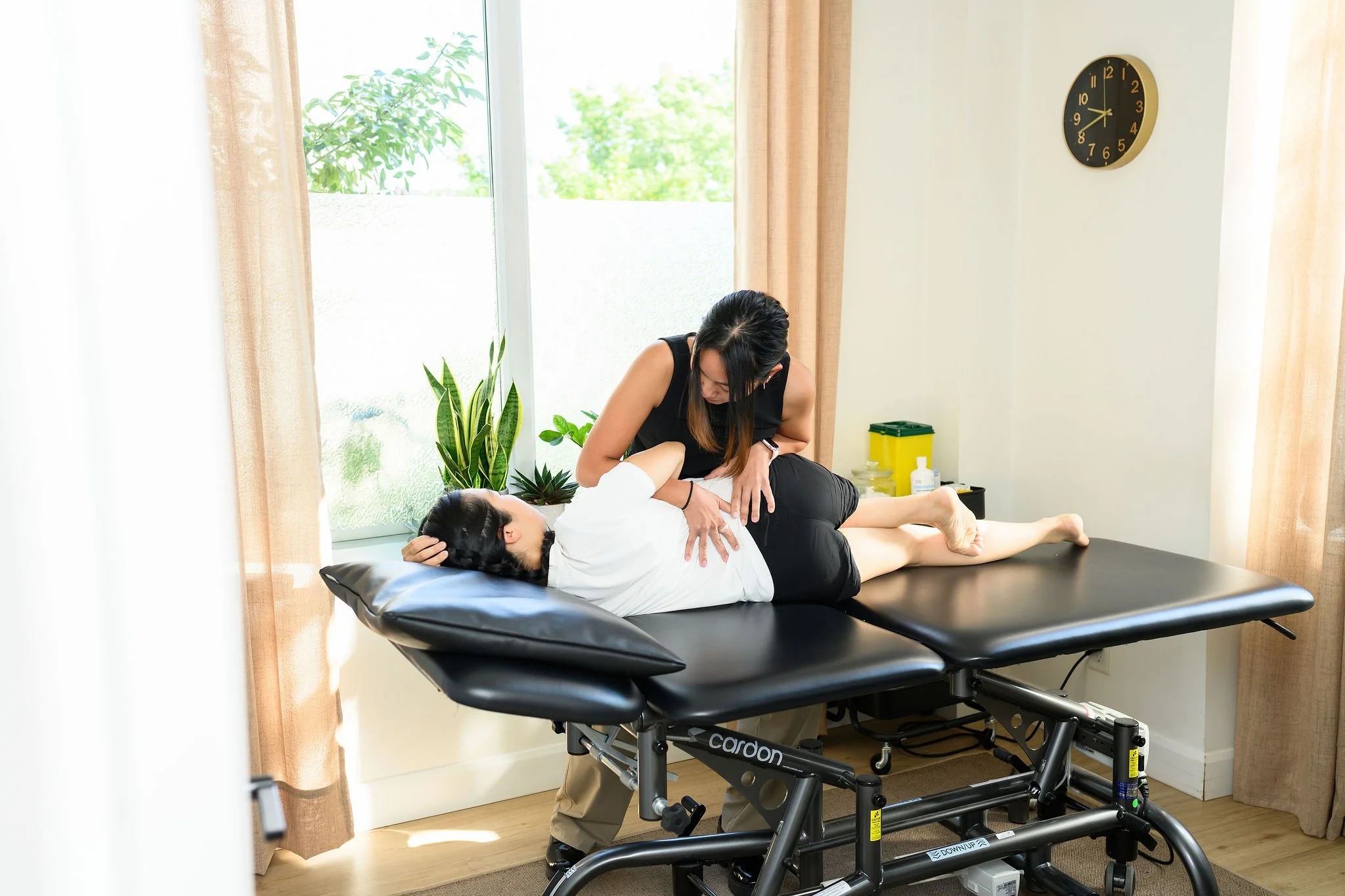
Orthopaedic Manual Physiotherapy in the Toronto Annex
Reviewed by Shannon Littlejohn Burnes, Registered Physiotherapist (FCAMPT) · Updated October 2026
If you are living with persistent joint stiffness, recovering from an injury, or dealing with chronic pain that limits your daily life, you want a treatment plan that addresses the root cause of your discomfort, not just a temporary fix.
At Resilience Physiotherapy in the Toronto Annex, we provide orthopaedic manual physiotherapy, a hands-on approach that combines assessment, manual techniques, clinical reasoning, and individualized exercise. Rather than relying on passive treatments or generic exercise sheets, we tailor care to the movement restrictions and symptoms identified during your assessment, then build a plan that supports more comfortable movement and a return to the activities that matter to you.
Quick facts
How much does physiotherapy cost?
An initial assessment is 60 minutes and costs $170. Follow-up visits are $105 for 30 minutes, $150 for 45 minutes and $185 for 60 minutes.
Is it covered by insurance?
Physiotherapy is covered by most extended health plans. We don't bill insurers directly: you pay at your visit, and we give you a receipt to submit to your plan.
Do I need a doctor’s referral?
No. In Ontario you can book directly with a physiotherapist. Some insurance plans ask for a referral before they reimburse you, so check your plan.

What is Orthopaedic Manual Physiotherapy?
Orthopaedic manual physiotherapy is an evidence-based physiotherapy approach that uses hands-on assessment and treatment to evaluate and address movement-related concerns. Manual techniques are often combined with individualized exercise when active rehabilitation is needed to support mobility, strength, and function. Unlike care centred mainly on passive modalities such as ultrasound or heating pads, this approach uses a therapist’s assessment and hands-on skills to guide treatment.
Our focus is on movement-related concerns within the neuromusculoskeletal system, including the joints, muscles, tendons, ligaments, fascia, and nerves.
What truly sets an orthopaedic manual physiotherapist apart is their advanced training. Many of the team members at Resilience Physiotherapy have undergone or are currently completing extensive post-graduate education and mentorship, working towards becoming Fellows of the Canadian Academy of Manipulative Physiotherapy (FCAMPT). This rigorous training goes far beyond the foundational skills taught in standard university Master’s programs. It equips our therapists with the expert clinical reasoning needed to identify complex, interconnected dysfunctions in both the spine and the extremities.
The Benefits of Hands-On Manual Therapy
Advanced Techniques We Use to Restore Your Movement
Joint Mobilization and Manipulation
Soft Tissue and Fascial Release
Neural Tissue Mobilization
Integrated Functional Exercise
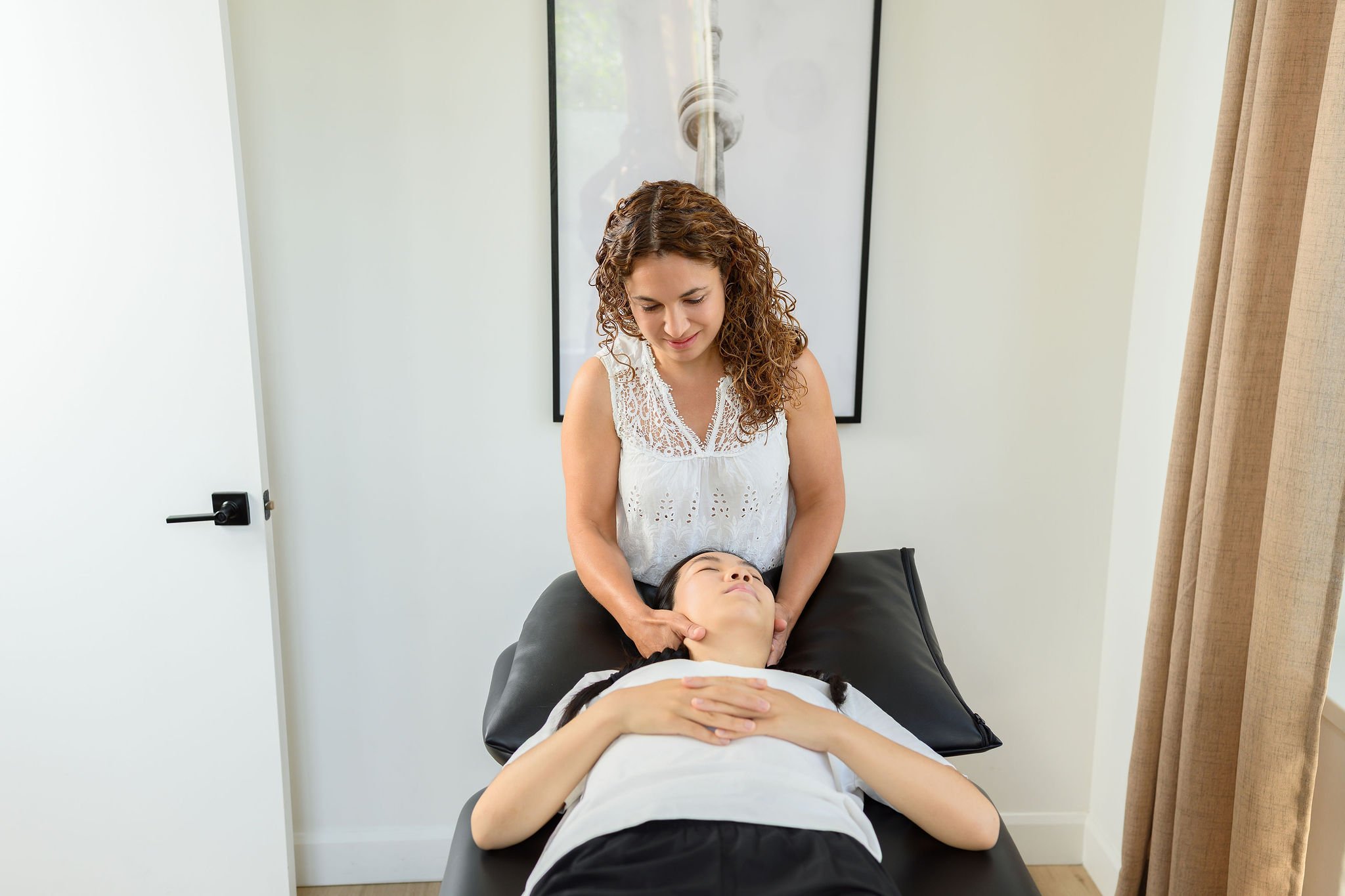
What to Expect During Your Initial Consultation
Proudly Serving the Toronto Annex, Yorkville, and Little Italy Communities
Take the First Step Toward Pain-Free Movement
Frequently Asked Questions About Manual Physiotherapy
-
While both disciplines use hands-on techniques such as joint mobilizations and manipulations, the overall approach differs. Our orthopaedic physiotherapists combine these techniques with soft tissue work, neural mobility, and exercise rehabilitation to improve movement capacity and help you build the strength and control needed for daily activities or sport.
-
Joint manipulation is often well tolerated when performed by a trained professional. You may feel a quick stretch or hear a small “pop” or “click” during the technique. Your therapist will explain what to expect, monitor your response, and adjust treatment to your comfort level.
-
Your response to treatment depends on your specific condition, tissue-healing timelines, and how long the restriction has been present. During your initial assessment, your therapist will discuss what treatment may involve and how progress will be reviewed over time.

Learn more about the role of manual therapy in post-operative care and how we approach treatment at Resilience Physio!
We’d love to work with you