Knee Pain Physiotherapy in the Toronto Annex
Reviewed by Shannon Littlejohn Burnes, Registered Physiotherapist (FCAMPT) · Updated November 2026
Resilience Physio is conveniently located just a 3 minute walk south of TTC Spadina Subway Station and are adjacent to the Miles Nadal Jewish Community Centre (JCC) and proudly serves the Midtown and Downtown Toronto areas.
Quick facts
How much does physiotherapy cost?
An initial assessment is 60 minutes and costs $170. Follow-up visits are $105 for 30 minutes, $150 for 45 minutes and $185 for 60 minutes.
Is it covered by insurance?
Physiotherapy is covered by most extended health plans. We don't bill insurers directly: you pay at your visit, and we give you a receipt to submit to your plan.
Knee pain: common questions
Why does my knee hurt when I go up and down stairs?
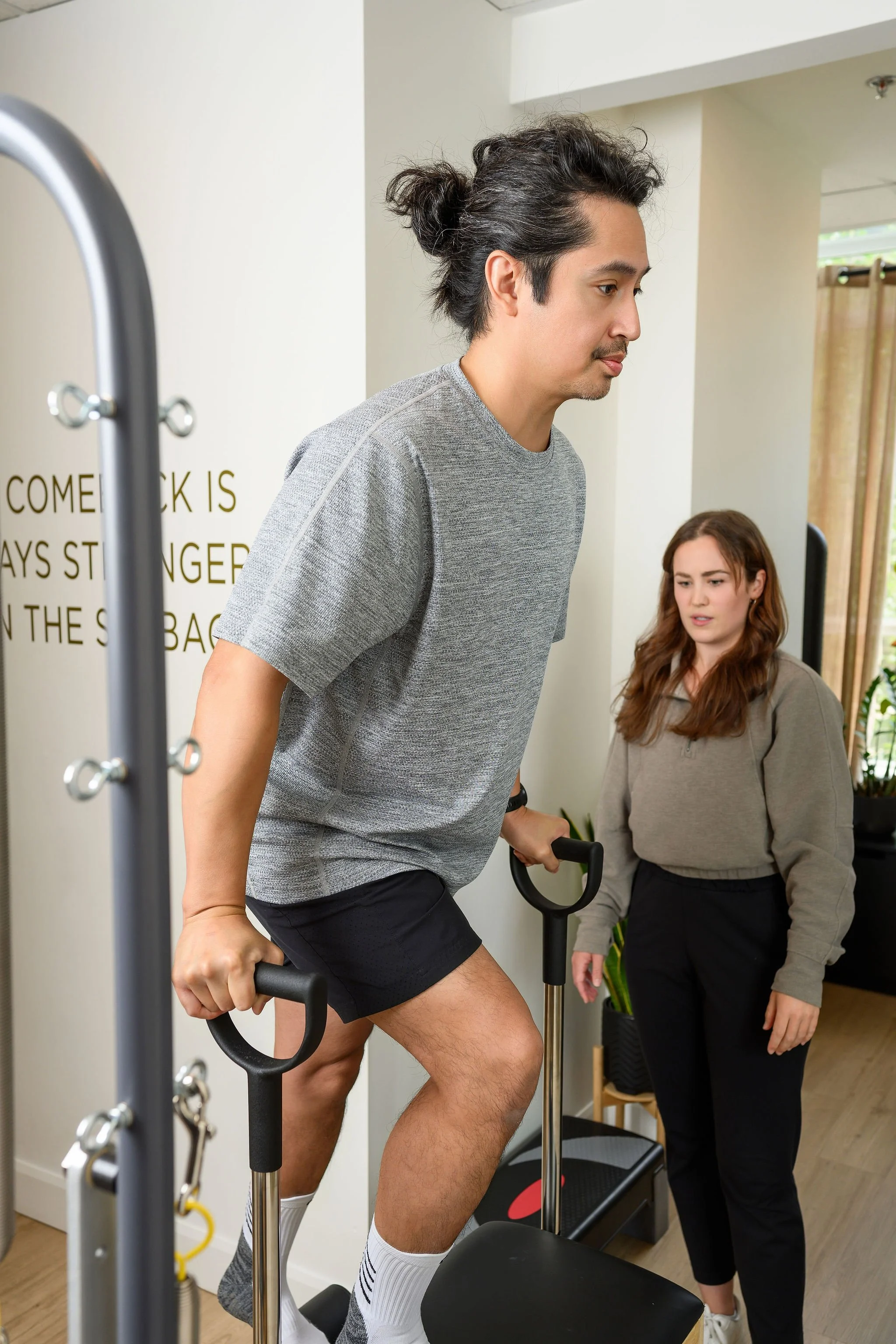
Pain with stairs is often linked to patellofemoral pain, where the kneecap isn't tracking or loading evenly. Strengthening the glutes & other muscles that support the kneecap, along with load management and targeted release is usually the first line of treatment.
Can physiotherapy help knee arthritis?
Yes. Exercise-based physiotherapy is a recommended first-line treatment for knee osteoarthritis. Strengthening, mobility work and guidance on activity can reduce pain and inflammation to help you stay active.
I'm having knee surgery soon — can physiotherapy help before and after?
Yes. Pre-hab before surgery, such as ACL reconstruction or a knee replacement, is a great plan to help you go into surgery stronger, and structured rehab afterward supports a safe return to walking, strength and the activities you care about.
Do I need to stop running if my knee hurts?
Not necessarily. Often it's a matter of adjusting load, building strength in the right areas, and addressing what's driving the pain, rather than stopping altogether. An assessment will guide what's right for you.
When should I see a doctor first?
See a doctor or go to emergency before booking physiotherapy if your knee pain follows a fall or accident and you cannot put weight on your leg, your knee gives way or locks, or comes with significant swelling, fever, or signs of infection around a recent surgical incision.
Do I need a doctor's referral?
No. In Ontario you can book directly with a physiotherapist. Some insurance plans ask for a referral before they reimburse you, so check your plan. If you've had or are planning knee surgery, your surgeon may also give you a specific rehab protocol we can follow.
Hip or low back pain instead?
If your pain is mainly in your low back, or travels down your leg, visit our Sciatica & Low Back Pain Physiotherapy page.
Want more on knee pain and recovery?
Visit our blog for more on injury recovery, training tips, and what to expect from physiotherapy.
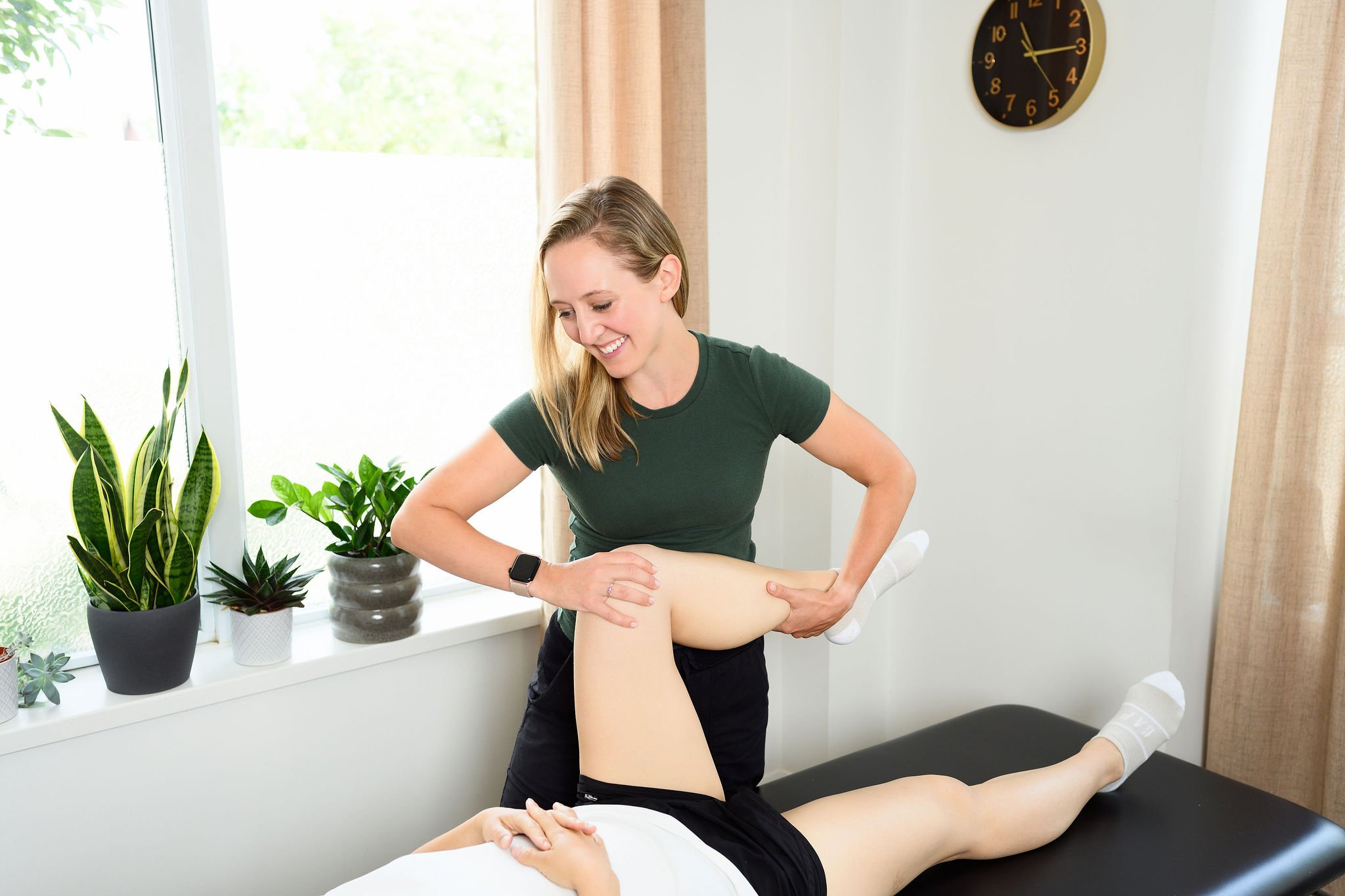
Knee Pain Treatment in the Toronto Annex
Knee pain can show up gradually, after a change in training, or all at once after an injury or surgery. Whatever the cause, it tends to get in the way of the things you want to do: walking, stairs, running, squatting down to pick something up. A thorough assessment helps work out exactly what's driving your pain so treatment is aimed at the right target.
At Resilience Physiotherapy in the Toronto Annex, we provide one-on-one knee pain physiotherapy grounded in advanced orthopaedic training and evidence-informed care. We build a plan to calm things down, rebuild strength around the knee, and get you back to the activities you enjoy. No doctor's referral is needed.
What Causes Knee Pain?
Common causes include patellofemoral pain (pain around or behind the kneecap, often worse with stairs or squatting), knee osteoarthritis, meniscus irritation or tears, ligament sprains or tears, IT band syndrome, tendinopathy of the quad or patellar tendon, and pain referred from the hip. Knee pain can also follow a knee replacement or ligament reconstruction, where a structured rehab program supports recovery and return to activity.
How Can Our Physiotherapists Help?
We all have different skill sets but here is a list of some of the main tools that we will utilize when treating you and your knee pain.
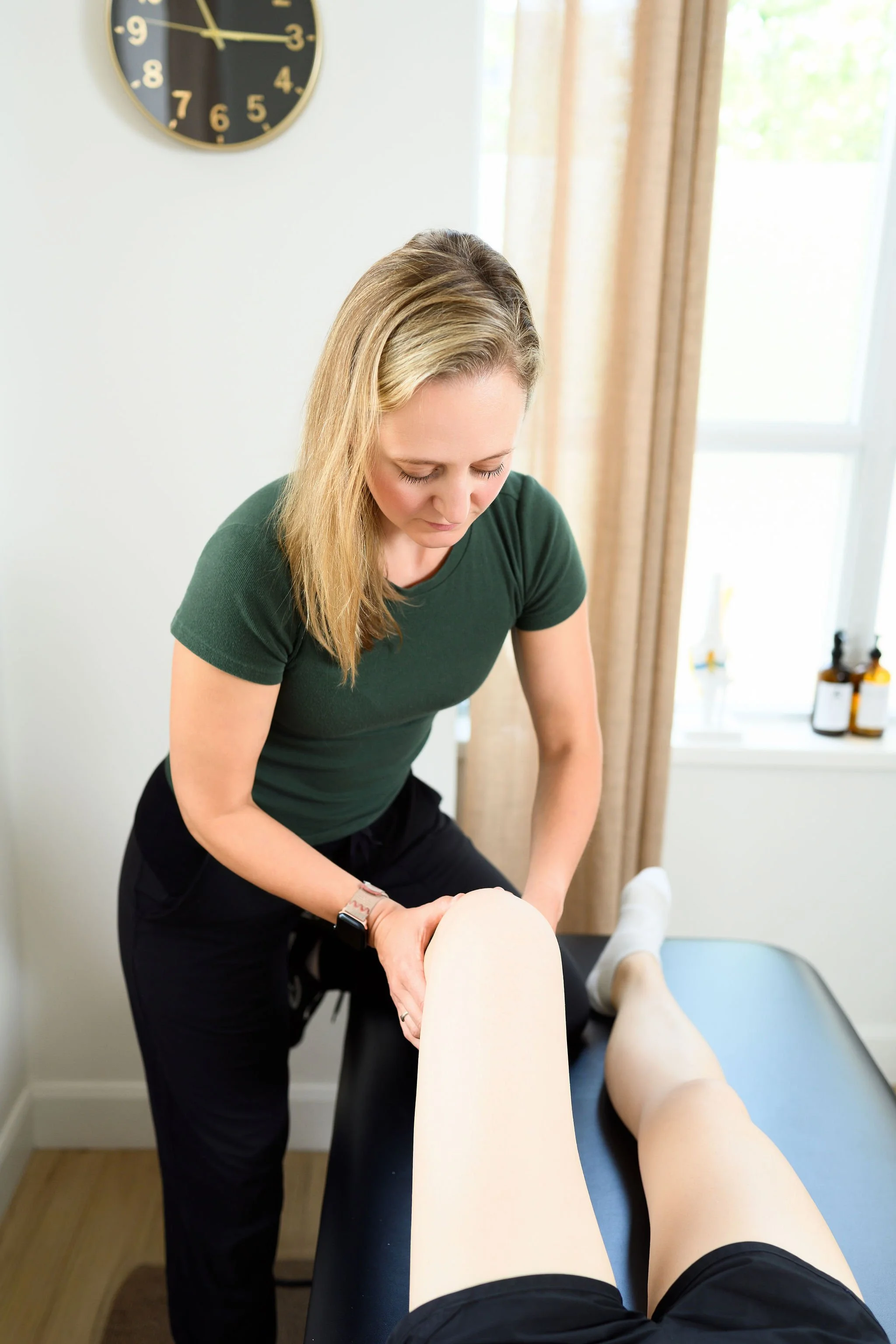
Hands On Manual Therapy: joint mobilization and soft tissue work
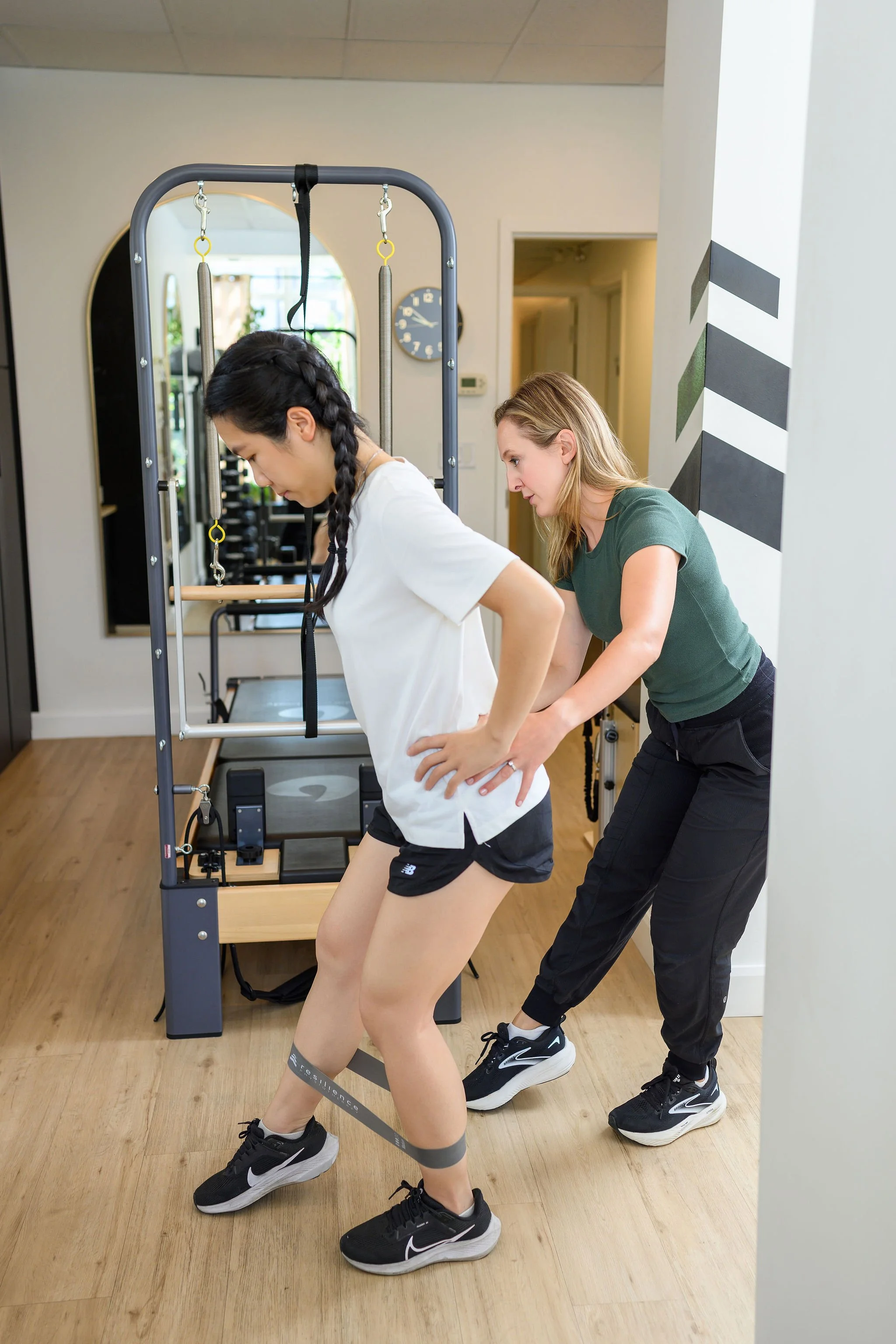
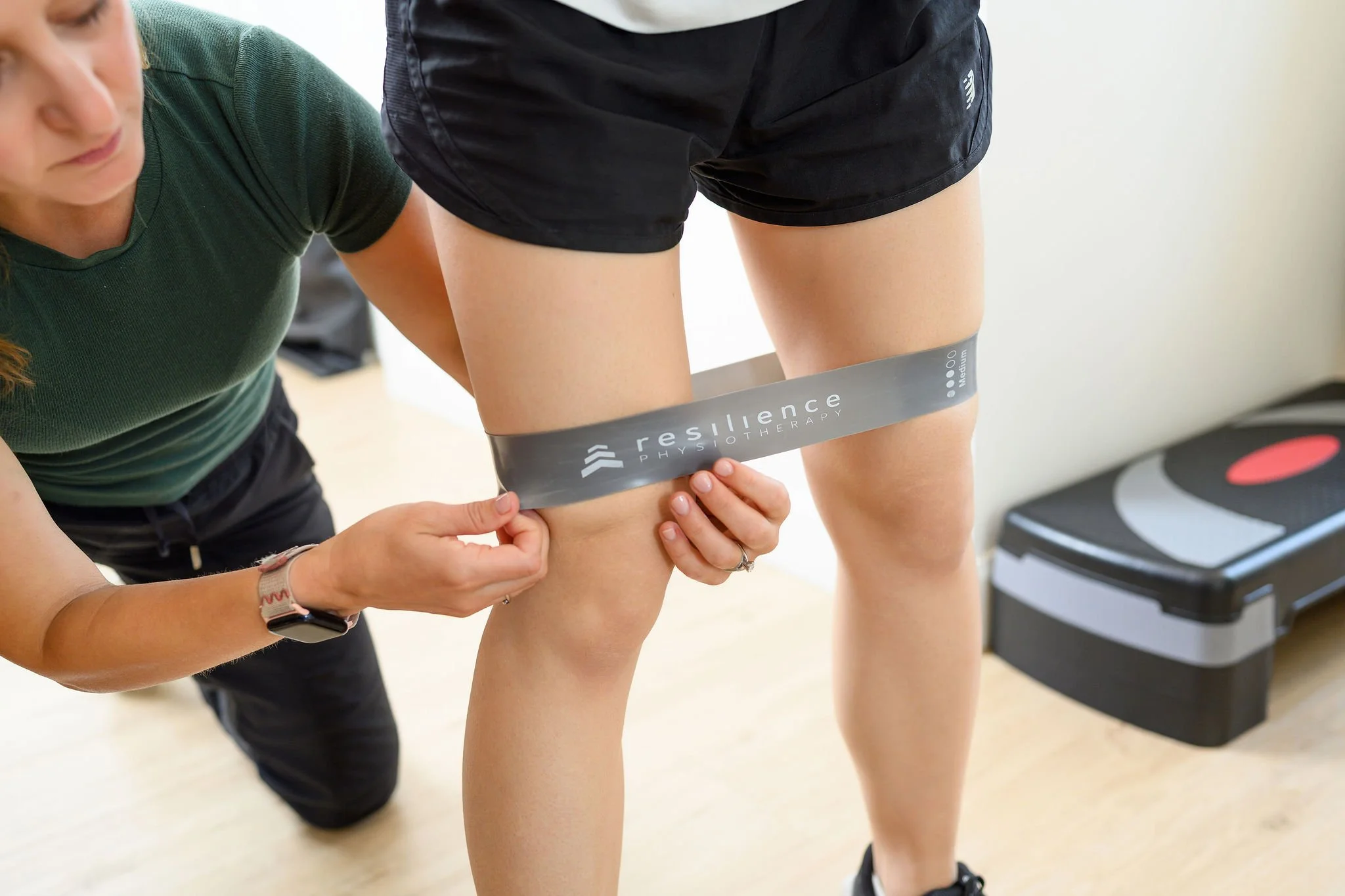
Progressive strengthening for the quads, glutes, hamstrings and core
Load management and activity modification (running, training, stairs)
Pre-surgical and post-surgical knee rehab (e.g. ACL reconstruction, knee replacement)
IMS/Dry Needling
Clinical Pilates Physiotherapy
Typical diagnoses/symptoms that we treat:
Patellofemoral pain (runner's knee)
Knee osteoarthritis and stiffness
Meniscus irritation or tear
Ligament sprains or tears (MCL, ACL)
IT band syndrome
Quad or patellar tendinopathy (jumper's knee)
Pre-habilitation before knee surgery
Post-surgical rehab after ACL reconstruction, meniscectomy or knee replacement
Pain with stairs, squatting, running or prolonged sitting
If you want to get started with treatment today, start with a discovery call!